Voice Localization Strategies: How Dubbing Techniques Enhance TV Series Accessibility Worldwide
Ben Vogel · Sep 15, 2026

Voice Localization Strategies: How Dubbing Techniques Enhance TV Series Accessibility Worldwide
Television series cross borders more frequently when production teams adapt spoken dialogue through dubbing processes that replace original audio tracks with localized versions in target languages, and this approach connects with broader audience segments than subtitles alone often achieve. Data from streaming platforms shows increased completion rates for dubbed content in non-native markets while language barriers decrease.
Core Methods Behind Effective Voice Adaptation
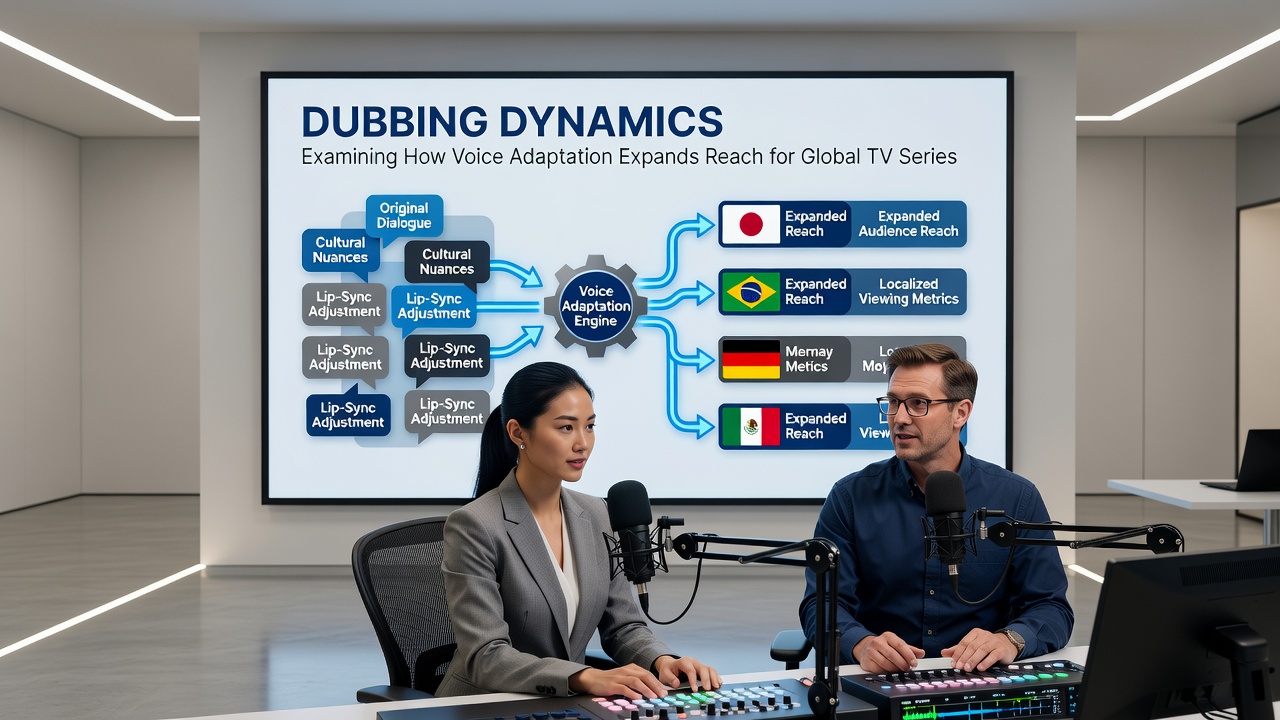
Professionals begin with script translation that preserves narrative intent yet adjusts phrasing to match natural speech patterns in the destination language, and they follow this step with casting sessions that select performers whose vocal qualities align closely with original actors. Recording takes place in controlled studios where timing synchronization ensures lip movements match new dialogue delivery, while directors guide performers to maintain emotional consistency across scenes. Engineers then mix the new audio layers with existing sound effects and music tracks so the final product maintains technical quality comparable to original productions.
Research indicates that lip-sync precision influences viewer retention particularly in close-up dialogue scenes, and studies from media technology institutes have quantified how minor timing adjustments can reduce audience distraction during extended viewing sessions. Those who manage dubbing workflows coordinate teams across multiple time zones when handling series with dozens of episodes, and this coordination becomes essential as release schedules tighten for simultaneous global launches.
Market Expansion Patterns Observed in Recent Years
Platforms report that dubbed versions of certain series generate higher watch hours in regions where local language preferences dominate consumption habits, and figures from industry tracking services reveal substantial growth in Latin American and Southeast Asian markets for European and North American productions. Observers note that series featuring strong character-driven narratives benefit more from full dubbing than from subtitled alternatives because viewers can focus on performances without dividing attention between text and visuals.
In September 2026 several streaming services plan expanded dubbing investments for upcoming seasons of established franchises, and these plans align with regulatory discussions in multiple regions regarding content accessibility standards. European Audiovisual Observatory reports document how localized audio versions correlate with broader distribution deals that include additional territories previously considered secondary markets.
Technical and Cultural Considerations in Practice
Adaptation teams address cultural references by substituting equivalent expressions that resonate locally while preserving story logic, and this process requires collaboration between translators and cultural consultants who identify potential misunderstandings. Voice directors adjust performance styles to fit regional acting conventions without altering core character traits, and the resulting versions sometimes introduce slight tonal shifts that still support overall narrative goals.
Equipment advancements allow remote recording capabilities that reduce travel costs for voice talent, and these tools enable studios to maintain consistent quality across distributed teams. Data shows that series with recurring casts develop dedicated dubbing ensembles who become familiar with character voices over multiple seasons, which streamlines production timelines and improves continuity.
Viewer Engagement Metrics and Distribution Outcomes
Analytics platforms track how dubbed episodes perform against subtitled counterparts in identical regions, and results consistently demonstrate higher replay rates for dubbed content among casual viewers who prefer passive listening experiences. Industry organizations such as the Motion Picture Association have compiled regional comparisons that highlight dubbing's role in elevating series from niche imports to mainstream offerings in new territories.
One study conducted through academic partnerships in Canada examined audience persistence across multilingual libraries and found that voice-adapted series maintained longer viewing streaks compared with text-only alternatives in several test markets. These patterns hold across genres yet appear strongest in drama and comedy formats where dialogue carries significant narrative weight.
Conclusion
Voice adaptation through dubbing continues to serve as a primary mechanism for expanding television series reach across linguistic boundaries, and ongoing refinements in translation accuracy alongside recording technology support sustained growth in international distribution. Platforms and producers who integrate these processes early in release planning position their content for wider accessibility, while data from multiple regions confirms measurable increases in engagement when localized audio becomes available alongside original tracks.