Thumbnail Design Elements Guiding Viewer Selections Across Streaming Platforms
Ben Hartmann · Oct 13, 2026
Thumbnail Design Elements Guiding Viewer Selections Across Streaming Platforms
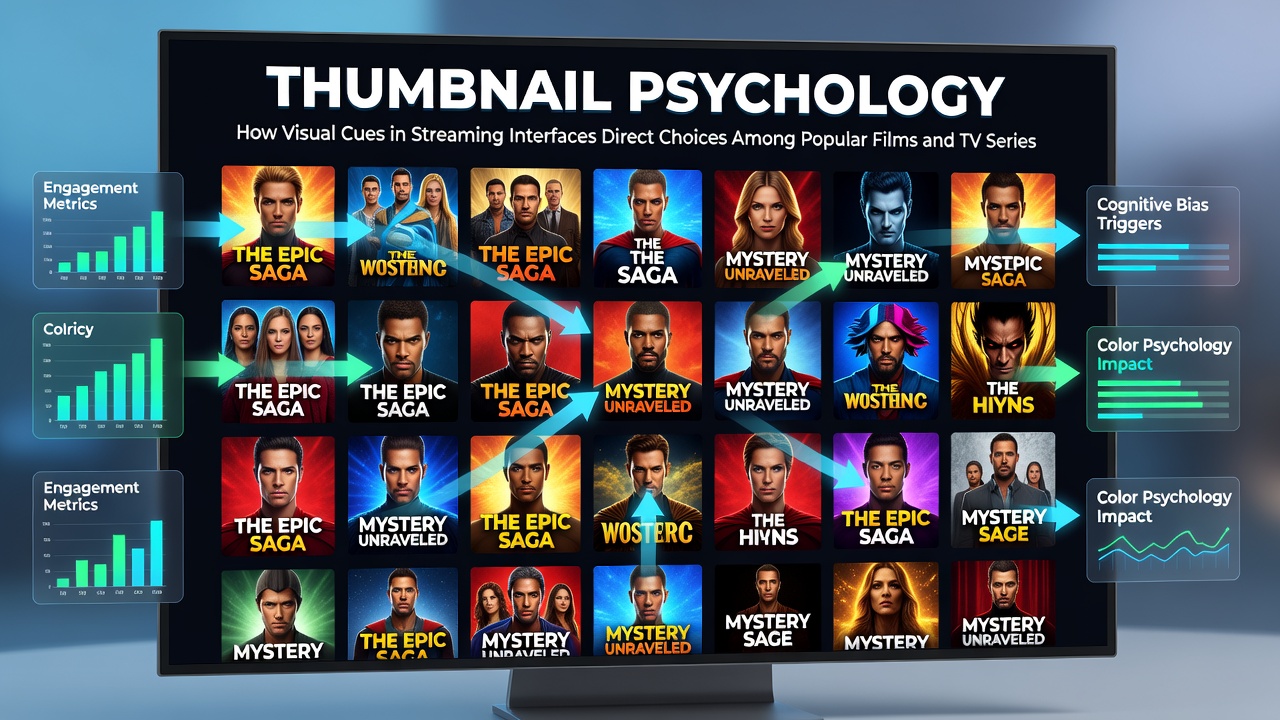
Streaming services rely on thumbnail images to shape initial viewer decisions, and researchers have documented how specific visual elements such as facial expressions, color contrasts, and text overlays influence selection rates among popular films and television series. Data from platform analytics reveal that thumbnails featuring close-up human faces generate higher click-through rates compared to abstract or landscape-based designs, a pattern observed consistently across major services since the mid-2010s.
Color psychology plays a measurable role in these interfaces, with warm tones like reds and oranges drawing attention faster in crowded grids, while cooler palettes often appear in genres such as science fiction or thrillers to signal tone without explicit labels. Studies conducted by media research groups indicate that brightness adjustments and contrast enhancements in thumbnails correlate with increased engagement during peak viewing hours, including those recorded in October 2026 when seasonal content updates coincided with broader platform redesigns.
Key Visual Components in Thumbnail Construction
Platform designers prioritize several core elements when creating thumbnails for popular titles, and evidence shows these choices direct traffic toward established hits rather than lesser-known entries. Human faces occupy central positions in many thumbnails because eye-tracking experiments demonstrate quicker user fixation on recognizable expressions, particularly those conveying emotion or star power. Text overlays, limited to short phrases like character names or episode titles, further reinforce recognition without overwhelming the image space.
Composition techniques include strategic cropping that emphasizes key characters from films or series, and this approach aligns with findings from visual attention studies where off-center placement of subjects increases perceived dynamism. In October 2026, updates to recommendation algorithms incorporated real-time thumbnail performance metrics, allowing interfaces to swap variants based on aggregate user interactions across regions.
Influence on Popular Film and Series Choices
Popular films and television series benefit disproportionately from optimized thumbnails because established brands already carry name recognition that combines with visual cues to accelerate decisions. Observers note that action-oriented titles often feature dynamic poses or explosive backgrounds in their thumbnails, directing selections toward high-energy content during browsing sessions. Meanwhile, drama series thumbnails lean on subtle lighting and character close-ups to suggest narrative depth, patterns confirmed through A/B testing conducted by streaming providers.
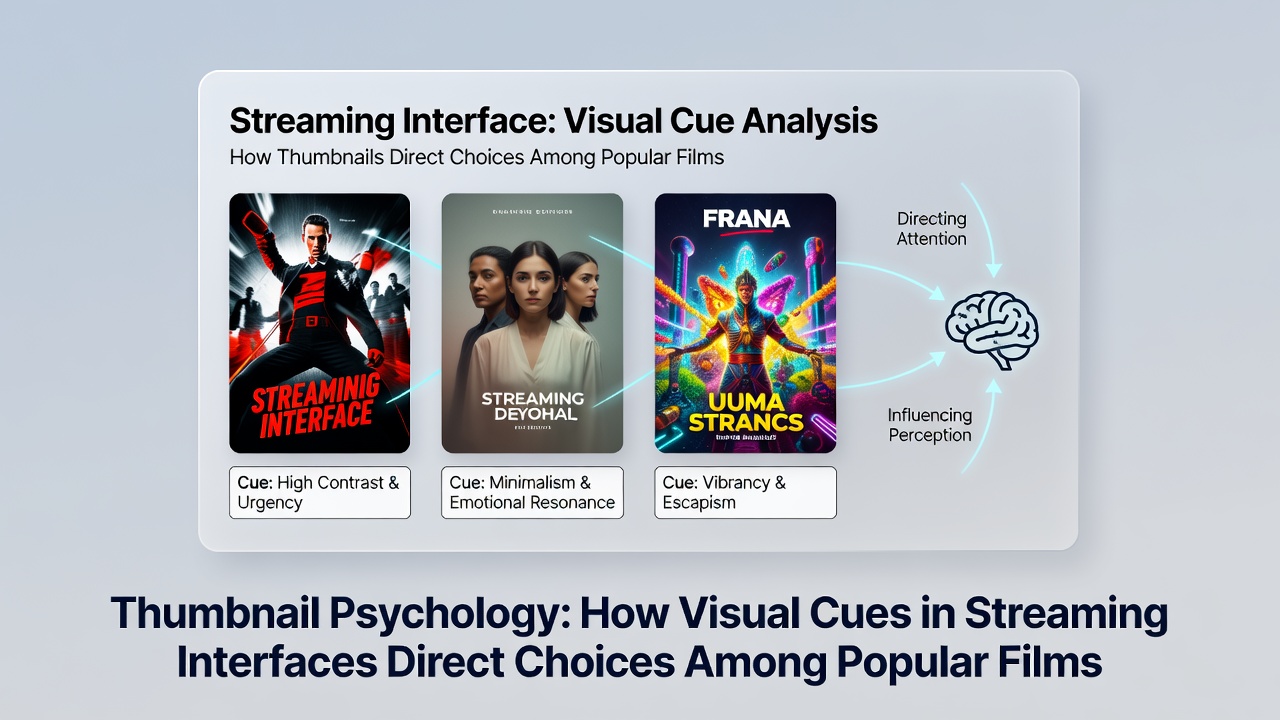
Genre-specific adaptations appear frequently, and data compiled by industry analysts show that horror content thumbnails emphasize shadows and partial faces to evoke curiosity while avoiding spoilers. These targeted designs contribute to the persistence of top-charting series, as repeated exposure through recommendation rows strengthens visual associations over time. Cross-platform comparisons reveal similar strategies applied to international titles, where localized thumbnail edits adjust for cultural preferences in facial prominence or color symbolism.
Research Insights and Platform Data
Academic investigations into streaming behavior have quantified the impact of thumbnail variations, with one analysis from the Australian Institute of Family Studies linking thumbnail familiarity to reduced decision fatigue among frequent viewers. Another report issued by Statistics Canada examined user navigation logs and found that thumbnail changes implemented mid-2026 produced measurable shifts in selection patterns for both domestic and imported popular media. These findings align with broader observations that interface design elements function as silent directors of choice architecture in digital environments.
Additional evidence emerges from eye-tracking research published in media psychology journals, where participants selected thumbnails with high-contrast elements at rates exceeding those with muted designs by notable margins. Platform operators integrate such insights into iterative testing cycles, ensuring thumbnails for flagship films and series maintain competitive visibility within recommendation carousels.
Conclusion
Thumbnail psychology operates through layered visual strategies that collectively steer viewer attention toward popular films and television series on streaming interfaces. Continued monitoring of engagement metrics, including those tracked through late 2026, supports ongoing refinements in how platforms present content options to diverse audiences worldwide.